Don’t Panic: Responding to Sexual Curiosity in Your Child
Introduction: Take a Deep Breath As a parent, learning that your child is watching or seeking sexually explicit content is enough to send you into a tailspin. If you are reading this, you are likely in shock. You might feel angry, scared, or like you have failed. Please, take a deep breath. You haven't failed. While we try to prevent exposure, the reality of the digital age is that it is almost inevitable. You are now facing a moment thousands of parents face every day. This doesn't have to be a trauma. If handled with care, this can actually strengthen your relationship. Here are five truths to help you navigate the next 24 hours. 1. Stop. Don't Have the "Big Talk" Yet. Your instinct is likely to panic, lecture, or confiscate devices immediately. Don't. Experts agree that a reactive, high-emotion lecture right now causes more damage than good. It drives kids into defensive silence. Instead, wait until you are calm. The goal of the first conversation isn't to fix everything; it is simply to let them know you know, and that you still love them. Try saying this: "I saw something on your device that worried me. I’m feeling a little overwhelmed, so I’m going to take a minute. We’ll talk later when we’re both calm. You aren't in trouble, but we do need to discuss it." 2. They Likely Didn't Seek It Out It is easy to assume your child went looking for trouble, but algorithms are aggressive. Innocent searches often lead to explicit results. Even if they did search for it, remember that their brain is developing. They are likely feeling confused, embarrassed, or disturbed by what they saw. If you approach them as a detective looking for a crime, they will hide. If you approach them as a guide helping them navigate a chaotic internet, they will listen. 3. Your Reaction Sets the Future Tone You may have heard the advice to "create the culture before the crisis." The crisis is here—but you can still build the culture. How you react now determines if your child ever confides in you again. If you scream or ban technology forever, you teach them that honesty equals pain. They won't stop looking; they will just get better at hiding it. Prioritize connection over punishment to ensure you remain their safe harbor. 4. Teach Media Literacy: Fantasy vs. Reality Use this moment to explain the difference between what they saw and real life. Pornography is "performative"—it rarely shows consent, awkwardness, or real emotional connection. Ask them: "Does what you saw look like how people who care about each other treat one another?" This takes the power away from the shocking images and grounds the conversation in your family's values regarding respect and kindness. 5. Validate Curiosity, Reject Shame Curiosity about bodies is developmentally normal for adolescents. However, shame is toxic. If you say, "How could you watch this filth? You should be ashamed!" you fuse their natural development with feelings of guilt. Instead, validate the curiosity while correcting the source. The distinction: "It is normal to be curious about bodies. That is part of growing up. But the internet is a terrible teacher. Those videos are fake, like superhero movies. I want you to learn the truth, not the scripted version." Conclusion: A Door Has Opened This isn't the end of your child’s innocence; it is the beginning of honest communication. You don't need to be perfect today. You just need to be the steady hand they can rely on. One thing you can do right now: Step away from the device. Make a cup of tea or take a walk. Do not start the conversation until your heart rate has returned to normal. You’ve got this. Additional Reading for Parents: Allison, K., & Dawson, R. M. (2025). Parental mediation of smartphone and social media activities to protect early adolescent children from online risks. International Journal of Adolescence and Youth, 30(1). https://doi.org/10.1080/02673843.2025.2504530 American Academy of Pediatrics. (2025, October 28). Teens and pornography. https://www.aap.org/en/patient-care/media-and-children/center-of-excellence-on-social-media-and-youth-mental-health/qa-portal/qa-portal-library/qa-portal-library-questions/teens-and-pornography/ Stanić, L. (2024). From restrictions to awareness: Examining the varied relationship between mediation strategies and parental awareness of adolescents online sexual experiences across age groups. Cyberpsychology: Journal of Psychosocial Research on Cyberspace, 18(5), Article 9. https://doi.org/10.5817/CP2024-5-9 Author: Lauren A. Lee, PhD27Views0likes0CommentsThe New "Birds & Bees": A Parent’s Guide to AI Sexual Roleplay
Artificial intelligence has quickly become a household fixture, helping our kids with everything from tricky math problems to creative writing. However, parents may be surprised to learn that young people are turning to AI for far more than just schoolwork. A national survey by Common Sense Media found that 33% of young people have used AI chatbots for social interactions, including enacting romantic fantasies or sexual roleplay. If you’ve received a risk alert or discovered romantic messages on your child’s device, it’s natural to feel alarmed. But by understanding this digital landscape, you can transform a scary moment into a powerful opportunity for connection and growth. Why Kids Are Turning to Chatbots It’s helpful to remember that the onset of puberty is a hallmark period for curiosity. It is developmentally typical for children to wonder about the "ins and outs" of sex and identity. A Judgment-Free Zone: Talking about sex can feel awkward or embarrassing. Engaging with an AI feels "socially safer" than turning to an adult, as the bot won't get uncomfortable or disappointed. Low-Stakes Practice: Some youth feel immense pressure to have relationships "figured out." AI provides a way to explore these topics without the risk of real-world rejection or social fallout. The Risks Every Parent Should Know While these apps may be marketed as "virtual friends," they lack the emotional depth and the fundamental need for consent found in human relationships. Distorted Reality: AI can trick children into thinking real intimacy is transactional, creating unrealistic expectations for future partners. Safety Gaps: Despite tech companies increasing security, no safeguard is perfect. AI can still describe non-consensual scenarios or provide medically inaccurate information. Data Privacy: Everything shared with an AI is saved by the company by default. Your child’s private thoughts and personal details are being used to train "Big Tech" models without true privacy. Grooming & Exploitation: Some platforms include community features where adults may use AI-generated "deepfakes" to build trust and exploit minors. Your Action Plan: Partnership, Not Punishment If you discover your child is engaging in AI roleplay, your goal is to maintain open communication. Reacting with anger often drives this behavior underground; instead, aim for a "partnership" approach. Check Your Emotional Temperature Before starting the conversation, take a deep breath. Remind yourself that curiosity is a normal part of growing up. If you stay calm, your child is more likely to keep coming to you when things get complicated. Join Their Digital World Don’t just confiscate the phone immediately. Sit down together and use a script like: "I’m not mad at you. We all explore things growing up, but my main job is to keep you safe. Let's look at how this bot works together." This signals that you are on the same team. Foster AI Literacy Help your child develop "metacognition"—thinking about how they think. Spark their curiosity with questions like, "I wonder where this conversation is being stored?" or "Do you think a real person would ever say that?" This helps them build the critical thinking skills they need to navigate the digital world. Create a Family Tech Agreement Co-create a "living" document that outlines rules for AI and social media use. This should be a shared responsibility: if you expect your child to stay off certain apps, model that behavior by putting your own phone away during dinner. Final Thoughts Curiosity about attraction and identity is a beautiful, normal part of adolescence. You want your child to feel comfortable turning to you for the answers, not an algorithm. By staying non-judgmental and maintaining a dialogue about the dangers of AI intimacy, you are empowering your child to develop healthy, real-world relationship skills. Authors: Anne Claire Grammer, PhD & Lauren A. Lee, PhD Resources and Further Reading for Parents: Common Sense Media Report on AI Companions: https://www.commonsensemedia.org/research/talk-trust-and-trade-offs-how-and-why-teens-use-ai-companions American Psychological Association Health Advisory on AI Use: https://www.apa.org/topics/artificial-intelligence-machine-learning/health-advisory-ai-adolescent-well-being Children and Screens: https://www.childrenandscreens.org/learn-explore/research/online-sexual-and-explicit-content-a-guide-for-parents/41Views0likes0CommentsNow What? A Caregiver’s Guide to Navigating Next Steps After a Risk Alert
Receiving a risk alert about your child's risky behaviors can be overwhelming and scary. These initial reactions of fear and confusion are common. It is important to know that you are not alone. Many caregivers feel this way when experiencing uncertainty in these situations, and your concern is a sign of how much you care about your child's wellbeing. How you respond in this moment matters. Your reaction plays an important role in helping your child feel supported and safe. Being prepared ensures that you can get connected with the necessary support for your child’s well-being. The information here should provide you with steps to take if your child is in emotional distress: Understand Your Own Response Before talking to your child, take a moment for yourself. Breathe deeply. Give yourself permission to feel your own emotions without judgment. This is stressful! This isn't to get rid of what you're feeling, but rather to create space to respond with calm and compassion. Being more grounded in the moment, versus reacting from a place of emotion, can help your child feel understood and safe, so that you can help them navigate the issues. Create a Safe Space First, ensure immediate physical safety. If your child is actively exhibiting or threatening harmful behavior and is in immediate danger of harming themselves, stay with them and seek help right away. Call 911 or go to the nearest emergency room. You can also call or text the Suicide Lifeline (call 988) and Crisis Textline (text 741741), which are available 24/7. It’s essential to remove and safely store any dangerous or potentially harmful items in your home if your child is at risk of harming themselves, including firearms, knives, medications, sharp tools, scissors, and flammable devices. After ensuring physical safety, you can talk to your child in a calm and reassuring tone: Example (if they are calm): "I can see that you are in a lot of pain right now, and I am here for you. We will navigate this together, and I know resources we can use to help us." Example (if they are physically in distress– e.g., crying): " I know this is a lot. I can see these emotions are really strong in your body right now. Let's start by taking a few deep breaths together. I am here to support you." If they are not in immediate crisis, choose a quiet place to talk and reassure them that they are not in trouble. They may be more likely to share about challenges if they know you’re not angry with them. Begin the conversation in a quiet space: Ask them some general questions. It can be helpful to frame this as a statement if your child is likely to respond to a question with "yes" or "no". Example: "I noticed some things going on and wanted to check in with you. Even if it's hard to explain, I'm here. Can you tell me what's been happening? How are you feeling?" Example: "I noticed some things and wanted to check in with you. Even if it's hard to explain, I'm here. Tell me more about what's been going on." Asking what they want from you can help encourage more open communication Example: “Do you want me to just listen or help you problem solve?” Listen & Reassure When your child opens up, it is important to listen. Often, we want to jump in and "fix" things. In this moment, validate their feelings and acknowledge that it sounds hard or that you can tell they are in distress. Reassure them that they are not alone and that you appreciate their openness with you. Sometimes, children have a hard time discussing these feelings. It's also okay if your child only shares a word or two. Reinforce and praise that. You can then use the 24/7 hotline above to help facilitate or navigate the situation if they are not telling you additional information. Other ways to provide support and empathy: Example: " I know this can be hard to talk about. I appreciate you sharing this with me, even though it may be stressful. I want to be there for you." Example: "This can be hard to talk about. I can just sit with you right now, and let me know whenever you are ready to talk. I am here to listen." Additional Steps to Support and Help At Home Continue to foster open communication by building trust, so your child feels safe sharing their emotions. Create a safety plan: collaborate to recognize warning signs and outline steps for managing a crisis. You can use this 988 template (https://988lifeline.org/wp-content/uploads/2017/09/Brown_StanleySafetyPlanTemplate1.pdf). Build a support network: help your child identify people whom they trust and feel ok reaching out to during difficult times. Seeking Professional Help If you are concerned for your child’s immediate safety, contact emergency services: Call the Suicide Lifeline at 988 Text the Crisis Textline at 741741 Call 911 Bring your child to the nearest emergency room If your child is not in immediate danger Contacting a mental health professional or a community mental health center can help get your child connected with key services. Contact your child’s pediatrician for additional guidance and well-being advice. This article was developed in partnership with Zachary Bricken, Aura's medical operations intern. Additional Resources More Information from Other Organizations about Steps, Resources, and Information Suicide Lifeline https://988lifeline.org/help-someone-else/ Crisis Textline: Help for Self-Harm https://www.crisistextline.org/topics/self-harm/ SAMHSA: Suicide Prevention https://www.samhsa.gov/mental-health/suicidal-behavior/prevention American Academy of Child and Adolescent Psychiatry Suicide Resource Center Child Mind Institute https://childmind.org/topics/suicide-self-harm/418Views0likes0CommentsHow safe is Roblox for kids? – An update to keep you in the know
TL;DR A majority of kids and teens today are using Roblox – an online gaming platform where users can play games, build games, and interact with other users Roblox doesn’t collect identifying information because it was created for kids, but predators can use this anonymity to their advantage The Roblox universe runs on Robux – a currency that can be purchased by adults to entice or bribe kids on the platform Roblox comes with risks, but there are updated safety features you can use, such as restricting direct chat with other users or setting Robux spending limits Read our previous blog about Roblox here What Is Roblox Anyway? Roblox has over 77 million daily active users, 32 million of whom are under age 13 (Bloomberg, 2024). The platform was initially created as a place for kids to be creative and learn how to build their own games online, and now there are millions of games in the universe. Because it was originally made for kids, Roblox collects very little information from users. Many older teens and adults use Roblox now too. Unfortunately, some users leverage anonymity to their advantage posing risks for kids on Roblox. The sheer size of Roblox, number of users, and potential risks may feel overwhelming for parents to navigate, which is why we’re here to help! The good news is, you don't need to be a tech wizard to make Roblox a safer space for your kid or teen. You already have the most important tools – your engagement and curiosity as a parent. This isn't about banning fun or hovering constantly; it's about understanding the environment and using the available tools (both on and off the platform) to guide your child confidently. Think of it as teaching them playground rules, but for the digital age. Decoding Robux: It's Not Monopoly Money If you’re a parent of a kid as young as age 6 and even into their later teen years, chances are you know what Robux are. Many kids and teens ask their parents for Robux for their allowance or as a reward for good behavior. If you’re not familiar, Robux are the virtual currency of the Roblox gaming world. Kids are excited by Robux, or rather what Robux can be used for– Robux can be used to customize avatars by buying clothes and accessories, for in-game experiences like skipping levels or access to VIP games, or even shopping at virtual stores like Walmart and Starbucks. But, Robux isn’t simply “fake money” because it can be purchased and exchanged for real-world money. Free Robux? A Red Flag! Like any other currency, Robux can be stolen or used to gamble and bribe other users. Bloomberg media put out an investigative piece on Roblox where they shared several examples of adults taking advantage of kids on Roblox. Robux were used to entice underage gamers as a grooming tactic in exchange for sexual acts in games, child porn, or inappropriate interactions in real life. Similarly, a report from More Perfect Union interviewing kids who engage in game development on Roblox, revealed instances of financial and child labor exploitation. Curious to know more? You can explore the Bloomberg documentary and the companion article. Updated Roblox Safety Features New Safety Features on Roblox and How You Can Make the Best Use of Them You can now take steps to deploy new safety features. In November 2024, Roblox introduced some new safeguards. Overall, age limits have been put into place for specific content. You, as a parent, can create a Roblox account linked to your child’s, employ monthly spending limits, and use additional safety features to help guide which experiences you are comfortable with your child accessing. How to make the most use of Roblox’s new safety tools Kids are going to use Roblox. Rather than placing harsh limits or banning Roblox altogether, we want to help you keep your child safe, healthy, and happy as they engage online. Here is a quick summary of the new Roblox safety features and how to access them. Limit Chat using Communication Controls: Chats increase the likelihood of your child interacting with strangers or more mature users. Limiting chat features can reduce the chance of risky interactions. You can: Disable experience chat: Select "No one" to set who your child can message with inside experiences. Restrict experience direct chat: Select “No one” to limit who your child can message 1:1 in experiences. Platform Chat, where users can chat with other users outside of experiences, is an exception and cannot be restricted for users over 13 More information on limiting chat features on Roblox can be found here under Communication Controls Keep Robux in check with Spending Controls: You can place monthly spending limits on your child’s account for Robux and other Roblox subscriptions. How to Set Spending Limits - from Roblox Create your own Roblox account and link it to your child’s: Creating your own account allows you to manage your child’s account without needing to login to their account. Linking instructions from Roblox Limits under age 13: Users under 13 now have some limits on Roblox Children under 13 years old can no longer directly message (“Platform Chat”) other users on Roblox outside of games or experiences. This change mitigates some risk of those under 13 interacting with strangers, older teens, or adults who may share inappropriate content on the Roblox platform. Those under age 13 also can’t send direct messages to other users within games, but can send “public broadcasts” within the game. Some experiences are age-gated based on content maturity. Content Maturity Labels: These can help guide your understanding of what content your child may encounter in experiences and games. You can also set maturity controls for your child. Kids under age 9 can only access “Minimal” or “Mild” forms of content Check out the descriptions from Roblox below (https://en.help.roblox.com/hc/en-us/articles/8862768451604-Content-Maturity-Labels) How to set maturity controls - from Roblox Content Maturity Label Description Minimal May contain occasional mild violence, light unrealistic blood, and/or occasional mild fear. Mild May contain repeated mild violence, heavy unrealistic blood, mild crude humor, and/or repeated mild fear. Moderate May contain moderate violence, light realistic blood, moderate crude humor, unplayable gambling content, and/or moderate fear. Restricted May contain strong violence, heavy realistic blood, moderate crude humor, romantic themes, unplayable gambling content, the presence of alcohol, strong language, and/or moderate fear. These experiences are only available to 17+ users who verified their ages by completing ID verification. Use Roblox as an opportunity to connect with your child or teen Be Curious, Not Accusatory: Ask open-ended questions about their Roblox time. "What games did you play today?" "What was the coolest thing you built?" "Did you play with any friends?" "Did anything weird or uncomfortable happen?" Talk About "Stranger Danger" Online: Explain that online "friends" are still strangers. Emphasize never sharing personal information like their real name, school, address, phone number, or passwords. Discuss In-Game Purchases: Help them understand that Robux cost real money. If they use Robux, talk about budgeting and responsible spending. Create a Team Mentality: Frame safety discussions as working together. "Let's figure out how to make Roblox fun and safe for you." Teach Digital Citizenship Skills Although Roblox has made some safety updates, there are still risks with using Roblox, such as cyberbullying and inappropriate content with violent or sexual themes. You can equip your child with the knowledge to handle tricky situations themselves. Blocking and Reporting: Show them how to block users who make them feel uncomfortable and how to report inappropriate behavior or games directly within Roblox. Let them know it's okay – and important – to use these tools. Recognizing Scams: Talk about common scams (like fake "free Robux" offers) and why they shouldn't click suspicious links or give away account information. Taking Breaks: Encourage healthy screen time habits. Set limits for Roblox play, just like you would for screentime generally, TV, or other activities. We want you to feel empowered in your digital parenthood to raise a well-informed digital citizen so that your child is better able to engage in online gaming and interactions more safely with eyes open. This article was created in partnership with Bayley Taple. References https://www.bloomberg.com/features/2024-roblox-pedophile-problem/ https://www.youtube.com/watch?v=n6PYj93SGxc https://en.help.roblox.com/hc/en-us/categories/200213830-Parents-Safety-and-Moderation485Views0likes0CommentsNew Resource: Tech/Life Balance Movement & Outdoor Guide🏕️
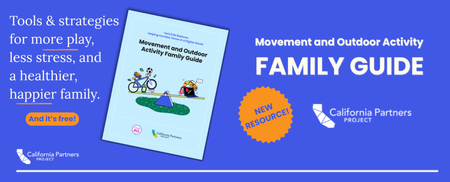
We’ve all seen it. Too much screen time leaves kids overstimulated, irritable, and disconnected from the world around them. Research confirms what families feel—kids need more movement, nature, and real-world connection. That’s why the California Partners Project and California First Partner Jennifer Siebel Newsom created a new guide to help families find better tech/life balance—without stress, shame, or unrealistic expectations. Inside, you’ll find: ✔ Conversation starters to help you connect ✔ Actionable tips to promote movement and time in nature ✔ Creative ways to work with tech—not against it This is about progress over perfection. And the guide is designed for real families doing their best in a tech-saturated world. ✨ Get the guide here129Views0likes0CommentsNew Resource: Tech/Life Balance Family Report & Guide📚
Our latest "Tech/Life Balance" resources are now available to the DigitalParenthood community! The first installment in our series is focused on social-emotional health and gives parents the tools to foster stronger communication and resilience in their kids. We believe that meaningful connection is the best defense against today’s digital challenges. These resources are grounded in real stories from California families and leading experts and offer practical strategies that families can implement right away. To celebrate, Jennifer Heifferon (Program Director of Child Well-being) sat down with DigitalParenthoods Dr. Scott Kollins and talked about all of the ways that the resources can help parents. Download the resources below! ⬇️ 192Views0likes0Comments
The Teen Advisory Panel: Shaping Aura's Balance Tools for Teens, by Teens
At Aura, we believe the best way to create tools for managing digital well-being is to listen to those most affected by technology—teens. That’s why we created our Teen Advisory Panel: to ensure our balance tools are not only science-backed but also aligned with the needs and concerns of the teens who will use them. Designed to help families foster healthier digital habits, these tools focus on areas like screen time, nighttime activity, and social interactions. By consulting a diverse group of teens across the U.S., we created features that empower both parents and teens to manage digital behaviors in a supportive, privacy-respecting way. These tools are shaped by real teen input, not just expert research, to ensure they are relevant and practical—helping families find the right balance between tech use and well-being. Q: Why did you decide to create a Teen Advisory Panel? Kids are the best experts when it comes to understanding their own experiences, especially with technology. It's easy for adults to assume we know what's best, but we can't truly understand their digital world unless we listen to them directly. The Teen Advisory Panel is more than feedback—it’s a partnership. We wanted teens to help shape a product that balances privacy, independence, and well-being, ensuring the tools we’re developing are something they actually want and need. Q: How did you engage with the teens, and how did you collect their feedback? We recruited teens from across the U.S., ensuring a mix of geographic, ethnic, and cultural diversity. By hearing from a diverse group of teens, we aimed to create tools that not only provide insights for parents but also empower teens to take control of their tech habits. The panel engaged through live sessions and surveys, offering real-time feedback on features like screen time tracking, nighttime activity monitoring, and social pattern analysis. We also used these sessions to identify barriers, like privacy concerns, and learn how we can address them in the product. Q: What did you learn from their feedback, especially around potential barriers? Transparency was key. Many teens were concerned about how much information their parents would see. They wanted privacy but also recognized the importance of parents having insights to help guide healthier habits. After seeing prototypes, however, the teens felt more comfortable, as they understood how the tools would be used to support their well-being rather than invade their privacy. Q: Will there be a focus on improving the online balance experience? Yes! The goal of these tools is to help families create a balanced digital lifestyle. Teens told us balance isn’t just about limiting screen time; it’s about understanding their routines and helping parents see shifts in behavior, such as how late-night gaming affects sleep. Our tools will provide real-time feedback, customized to each family’s needs. It’s not about policing but about fostering healthier tech habits in a way that works for everyone. Q: How will the Teen Advisory Panel continue to influence product development in the future? The Teen Advisory Panel isn’t just a one-time feedback session—it’s an ongoing partnership. We’ll continue to engage with teens to ensure that our tools evolve alongside their changing needs. Their insights will keep guiding updates and new features, ensuring that Aura’s digital balance tools remain relevant and effective in helping families navigate the complexities of digital life. Q: How can parents and teens learn more about Aura's digital balance tools? If you're a parent wanting to understand your child’s digital habits—or a teen seeking ways to manage screen time, sleep, and social interactions—Aura’s balance tools are designed for you. We’ve worked closely with teens like those in our Teen Advisory Panel to create features that are insightful and respect privacy. To learn more, click here. Together, we can create a balanced digital lifestyle that supports both parents and teens in navigating the challenges of today’s connected world.111Views0likes0CommentsRaising a Connected Generation: Dr. Becky on Parenting in the Digital Age 🎥
A throwback to our DigitalParenthood Summit back in June! NYT Best-Selling Author and Clinical Psychologist Dr. Becky Kennedy sat down with award-winning, Emmy-nominated journalist Poppy Harlow at our NYC Digital Parenthood Summit to offer parental guidance in the digital era, emphasizing that keeping kids safe is more important than keeping kids happy. The same way they can't have dessert until they finish their broccoli, children's use of technology must also be moderated. Here are 5 key ways parents can set strong boundaries: First, understand the difference between your child’s wants and needs. What purpose will technology serve them? Does your child need the new social media app they’re asking for, or do they simply just want it? Rather than brushing off requests, have conversations with your kids about the purpose they believe this new app will serve in their life. There may be a valid reason for downloading it. Second, form a group of parents to have continuous conversations over the years. Parents will avoid making split-second decisions and feel sturdier when their children go to them. Your kid will tell you that they are the only kid to not have a certain device, bedtime, or app. Years before this, when your kids are too young to negotiate, Dr. Becky recommends getting a group of parents together to discuss and plan how you all will approach these boundaries. Third, encourage kids to “gaze-in” on themselves, rather than seeking validation on social media. The way we parent our kids sets them up for how they approach the world. Naturally, people tend to focus on what everyone else is doing before considering our own values, interests, and feelings. By providing infinite access and constant exposure to other peoples’ lives, social media only adds to this pressure. It’s important that children build their confidence inside-out, rather than waiting to be told if they’re good enough. Fourth, keep the parent-child relationship separate from the technology-child relationship. Even as adults, it is difficult for us to put our phones down because it’s designed to make us unable to do that, so how can we hold our kids to such high expectations? The difference is that kids don’t make decisions for themselves, we do. So instead of setting ourselves up for frustration and children up for a power struggle or punishment, we must set a boundary that allows us to embody parental authority and tolerate our kids being upset. And lastly, give yourself permission to change course. If you were on a plane, you would want your pilot to give themselves permission to make an emergency landing if any flight information changed. Many parents disempower themselves by assuming what’s done is done. But good leaders, upon getting new information, change their plans to realign with the outcomes that they care about. Watch Dr. Becky’s full panel here: 245Views0likes0Comments
Helping Your Teen Cope with Online FOMO
Do you remember the feeling of going to school and hearing about how much fun your friends had at a social gathering that you weren’t invited to? It really stung, right?! Now, imagine how much more upsetting it would have been if you had access to endless amounts of photos online showing everyone having fun without you. Thanks to social media, smartphones, and a 24/7, always-on digital world, today’s teens are at risk of being consistently exposed to the heavily filtered highlight reels of their peers' lives. So, while social media can be a great place for teens to connect and express themselves, it can also create views about other people’s lives that aren’t based in reality. To break through the feelings of missing out or painful comparisons, it can be helpful to talk to your teen and give them tools so that they can better cope with their online experiences. What is FOMO? FOMO is an acronym that stands for “fear of missing out,” and it’s an incredibly common and normal experience. FOMO usually happens when someone realizes they weren’t invited to a social event. People who experience FOMO often feel as though they aren’t wanted, are less socially desirable, or are inferior to their peers. It can cause an increase in negative thinking, impact self-confidence, and increase social anxiety or feelings of isolation. Social media is one of the leading contributors to FOMO and can begin to take a toll on a teen’s mental health. Ways to help your teen through FOMO Experiencing FOMO can be lonely and confusing. It’s important to open up the conversation with your teen so that they know you are there to support them anytime difficult feelings come up. Here are some tips for talking about FOMO: Actively listen. You’ve likely felt left out before, so take a moment to connect with that feeling so that you can approach your teen’s situation with empathy and understanding. Try to put away distractions, like phones, so that you can be fully present for the conversation. Repeat back what your teen has said so that they know they’re being heard, and consider sharing a time when you’ve had a similar experience. Take them seriously. We can often dismiss teens as being “dramatic,” but remember that social dynamics are so important to teens. Try to hear what is going on from their perspective without attempting to fix it. Help to reframe unhelpful thoughts. We all have a voice inside that can say not-so-helpful things sometimes. Encourage your teen to notice how they’re speaking to themselves while scrolling on social media. If that voice says something like, “You’d never be invited to a party like that” or “I don’t have any friends,” ask them to consider how they could replace the unhelpful thoughts with more positive, realistic ones. One example would be, “I may not have been invited to this party, but I have lots of friends who like spending time with me. Maybe I’m feeling lonely, and I should call one of them to hang out.” Teach content curation. Talk to your teen about the ways in which the content they consume can affect the way they feel. Encourage them to unfollow or mute social media accounts that make them feel bad about themselves and to continue to be hyper-aware of the impact of the information and images they take in. Could they follow more accounts that focus on something they love, like art, nature, or cooking? Encourage offline hobbies and extracurricular activities. Help your child seek out environments and social settings where they feel safe and accepted. Could they join a community theater, play sports with friends in the park, or take a music class? Schedule tech breaks. Are there a few windows of time throughout the week that you can ask everyone in the family to unplug? Maybe you designate meal time as a screen-free zone or take a nature walk on a weekend morning? Can you all agree to keep phones out of your bedroom at night and set up a charging station in the kitchen? It’s not going to look perfect, so give yourselves some grace and do your best! Discuss support systems. Reassure your teen that there are tons of people out there who have experienced FOMO and talk about who they can turn to when they’re feeling down. Who are the trusted adults in their lives that they can turn to and what friends can they reach out to for support? Have regular check-ins. FOMO is something that your teen will likely experience time and time again. Be sure to keep the conversation going, letting them know that you understand and you’re always there to listen. It’s not always the right time to talk, so if they’re not feeling it, tell them they can always come to you at another time. By opening up the conversation at home and providing realistic tools and ongoing support, you’re showing your teen that they are not alone and that their well-being matters to you. If your teen is struggling to cope with FOMO or other difficult emotions, consider reaching out to a mental health professional for additional support.124Views0likes0Comments
My kid wants to be a YouTube content creator
My 12 year old wants to become a YouTube content creator on cooking. As parents, we want to encourage his passions, and we let him start a channel, but now he’s constantly “creating content”. What can I do to fix it while still supporting his passion? I don't want him to stop cooking, but I we can't let him be glued to his phone every other minute!Solved429Views1like1Comment